Introduction
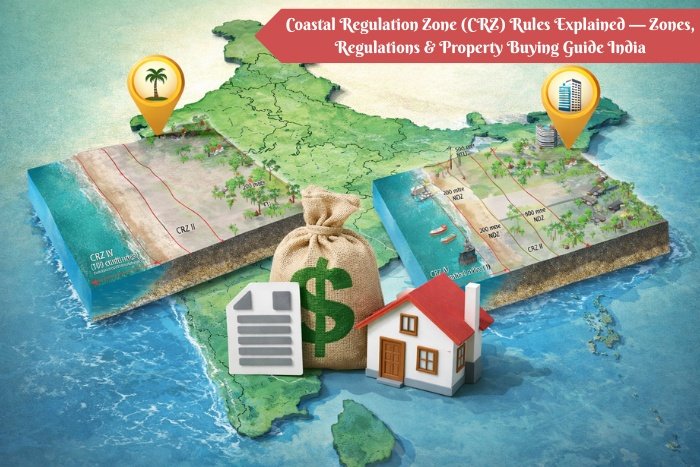
Construction near CRZ (Coastal regulation Zone) areas play a crucial role in determining what you can legally build along coastal areas. If you’re planning to buy land, build a home, or invest in coastal property in Tamil Nadu or anywhere in India, understanding CRZ rules is not optional — it’s essential. These regulations define where your construction is permitted, what type of development is allowed, and whether your investment is legally secure.
The current framework is governed by the CRZ Notification 2019, MINISTRY OF ENVIRONMENT, FOREST AND CLIMATE CHANGE which aims to balance environmental protection with responsible and sustainable coastal development.
What Is CRZ?
The Coastal Regulation Zone is a legally defined coastal area where construction and development activities are regulated.
CRZ boundaries are determined based on:
- Distance from the High Tide Line (HTL)
- Type of coastal area
- Population density
- Ecological sensitivity
- Coastal geomorphology
Depending on these factors, construction limits may vary rather than following a single fixed distance rule.
Why CRZ Rules Can Make or Break Your Investment
Coastal zones are environmentally sensitive and vulnerable to natural disasters. CRZ regulations help prevent:
- Shoreline erosion
- Saltwater intrusion into groundwater
- Flooding and cyclone damage
- Loss of coastal ecosystems
They also protect natural barriers like mangroves, dunes, reefs, and wetlands that act as shields during storms.
The Four Types of Coastal Regulation Zones (CRZ)
India’s coastline is classified into four Coastal Regulation Zone (CRZ) categories, each with different rules and development permissions. Understanding these zones is important before buying any coastal property or planning construction near the shoreline. The four CRZ categories are:
- CRZ-I — Ecologically Sensitive Areas
- CRZ-II — Developed Coastal Areas
- CRZ-III — Rural / Undeveloped Coastal Areas
- CRZ-IV — Water Areas
CRZ-I — Ecologically Sensitive Areas
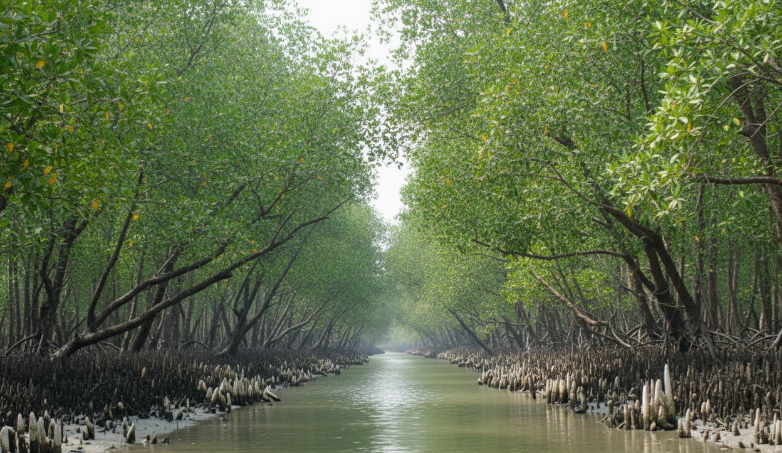
Includes mangroves, coral reefs, nesting grounds, and protected habitats.
NOTE: New construction is generally prohibited.
Exempted Essential Projects Under Government Regulations:
Investment Insight:
Private real estate projects are rarely permitted here. These lands are usually unsuitable for development investment.
CRZ-II — Developed Coastal Areas
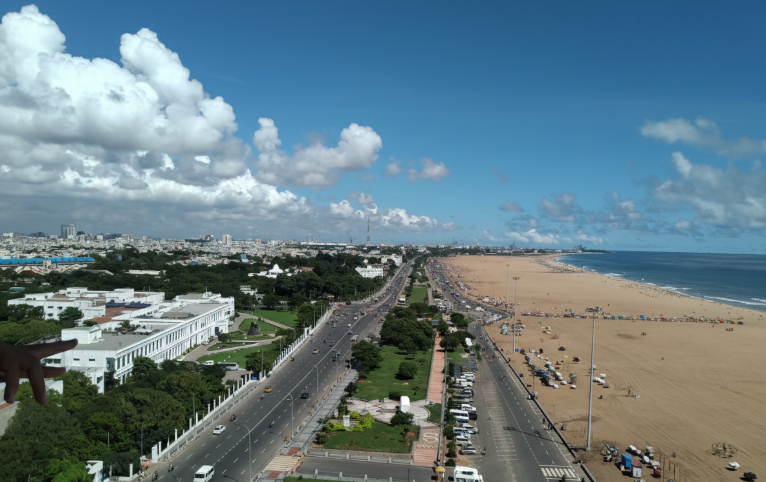
These are urban coastal areas with existing buildings and infrastructure.
What Defines CRZ-II
CRZ-II includes already developed coastal urban areas that have:
- Existing buildings
- Approved layouts
- Public infrastructure (roads, drainage, electricity)
These areas are typically municipal or corporation limits.
Construction Rules You Must Know
Construction is permitted only when:
- The building is on the landward side of an existing road, OR
- The building is behind an existing authorised structure
Important restriction:
If a new road is constructed closer to the sea than an older road, you cannot build behind the new road.
FSI / FAR Rule
Even if local authorities allow higher FSI, projects in this zone must follow 1991 FSI limits as per CRZ regulation.
This rule often affects:
- Area Specific FSI Limits
- Building height
- Density planning
- Commercial viability calculations
Permitted Project Types
CRZ-II allows a wide range of developments compared to other zones:
- Reconstruction of approved buildings
- Residential projects
- Commercial buildings
For developers, architects, and buyers, CRZ-II offers:
✔ Better legal clarity
✔ Existing infrastructure access
✔ Easier design planning
✔ Higher resale value potential
✔ Lower regulatory uncertainty
Best Use Cases
CRZ-II land is most suitable for:
- Apartments
- Premium housing
- Commercial complexes
- Mixed-use developments
- Redevelopment projects
Developer Insight:
CRZ-II areas usually offer the best opportunities for coastal projects because infrastructure already exists.
CRZ-III — Rural / Undeveloped Coastal Areas
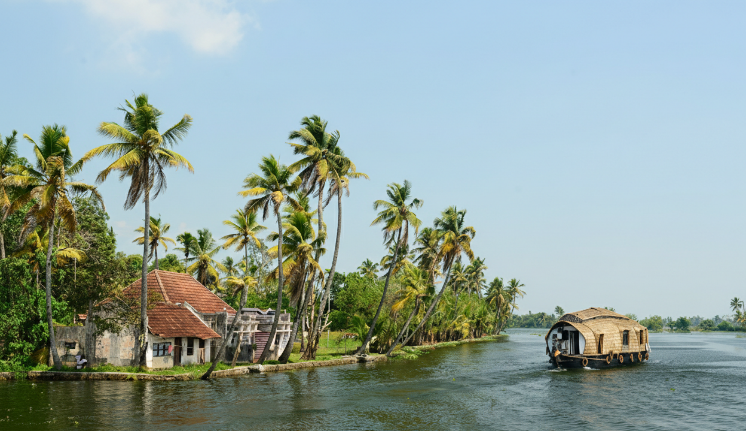
This category is divided into two regulatory belts.
a. 0m–200 m from HTL Under CRZ III — No Development Zone (NDZ)
Construction is generally not allowed.
Only these are permitted:
- Repair of existing authorized structures
- Essential infrastructure projects
- Housing for traditional coastal communities (100–200 m range with approval)
Non-building activities allowed
- Agriculture and forestry
- Salt production
- Renewable energy
- Desalination plants
- Fishing community facilities
- Sewage treatment plants
Buyer Warning:
Land inside NDZ (No Development Zone)is usually not suitable for building investment.
b. 200–500 m from HTL — Regulated Development Zone
The B category refers specifically to land located between 200 and 500 metres from the High Tide Line (HTL), which is the primary development belt in rural coastal regions.
What Can Be Developed
Permissible activities include:
- Hotels and beach resorts (designated zones only)
- Residential houses under planning rules
- Infrastructure facilities
- Reconstruction of authorised structures
Height & Density Restrictions
Development must follow strict building limits:
- Maximum height → 9 metres
- Maximum floors → Ground + 1
This automatically restricts:
- High-rise buildings
- High-density layouts
But it supports:
- Villas
- Resorts
- Farmhouses
- Plot developments
- Eco-tourism projects
- Retirement communities
Advantages for Buyers & Developers
CRZ-III(B) provides:
✔ Larger land parcels available
✔ Lower land cost than urban coastal zones
✔ Lower competition
✔ Long-term appreciation potential
✔ Ideal for lifestyle or tourism projects
CRZ-IV — Water Areas
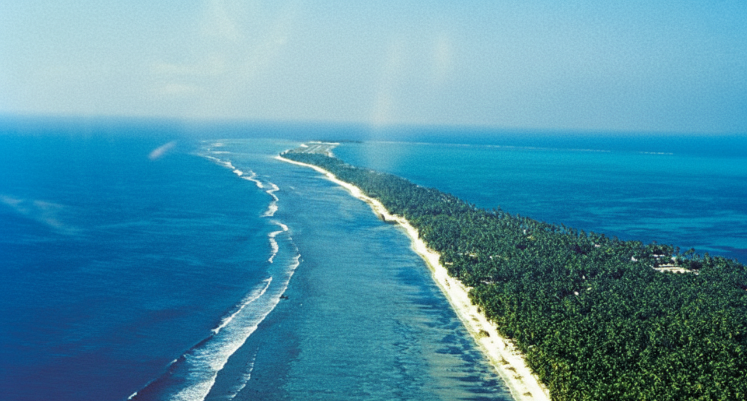
Applies to sea waters, tidal rivers, creeks, and backwaters.
Strictly Prohibited
- Dumping waste
- Discharging untreated sewage
- Marine pollution
Allowed
- Traditional fishing activities by local communities
This category mainly affects marine infrastructure projects like ports or jetties rather than land development.
Quick Decision Guide for Buyers & Developers:
| Zone | Construction Allowed | Investment Suitability | Approval Complexity |
| CRZ-I | Almost none | Very Low | Extremely High |
| CRZ-II | Yes | Very Good | Moderate |
| CRZ-III (0–200m) | Mostly No | Low | High |
| CRZ-III (200–500m) | Limited | Good | Moderate |
| CRZ-IV | Water only | Project-specific | High |
Step-by-Step CRZ Approval Process for Projects
Projects within CRZ limits must obtain approval before construction.
Typical Process
- Conduct HTL/LTL survey
- Confirm CRZ classification
- Prepare environmental reports
- Submit application to authority
- Obtain clearance certificate
Where to Apply
Applications must be submitted to the District Coastal Zone Management Authority (DCZMA). After review, they are forwarded to the State Authority. Many states also allow online submission through the environmental clearance portal.
Required Documents
Typical application requirements include:
- Filled Form-I
- Certified CRZ map with HTL & LTL markings
- Project layout plan
- Environmental Impact Assessment (for large projects)
- Disaster risk report
- Ownership proof
- Local authority approvals
- NOCs if applicable
Approval Timeline
If documents are complete, approvals are often processed in about 60 days, though complex projects may take longer.
Common Buyer Mistakes in CRZ Land Purchase
Many investors face losses because they:
- Buy land without checking CRZ classification
- Assume all coastal land is buildable
- Skip HTL survey verification
- Ignore NDZ limits
Always verify CRZ status before purchase.
Final Thoughts
Understanding CRZ rules is essential before buying or developing coastal property. Whether you are a landowner, builder, or investor, verifying CRZ classification and compliance ensures your project remains:
- legally safe
- environmentally responsible
- financially secure
Proper due diligence today can prevent major legal and financial issues later.
NOTE: Key Regulatory Terminology
CRZ- Coastal Regulation Zone
HTL- High Tide Line
LTL- Low Tide Line
NDZ- No Development Zone
FSI- Floor Space Index
FAR- Floor Area Ratio
DCZMA- District Coastal Zone Management Authority